
Should You Repair Cracks in a Basement Floor?
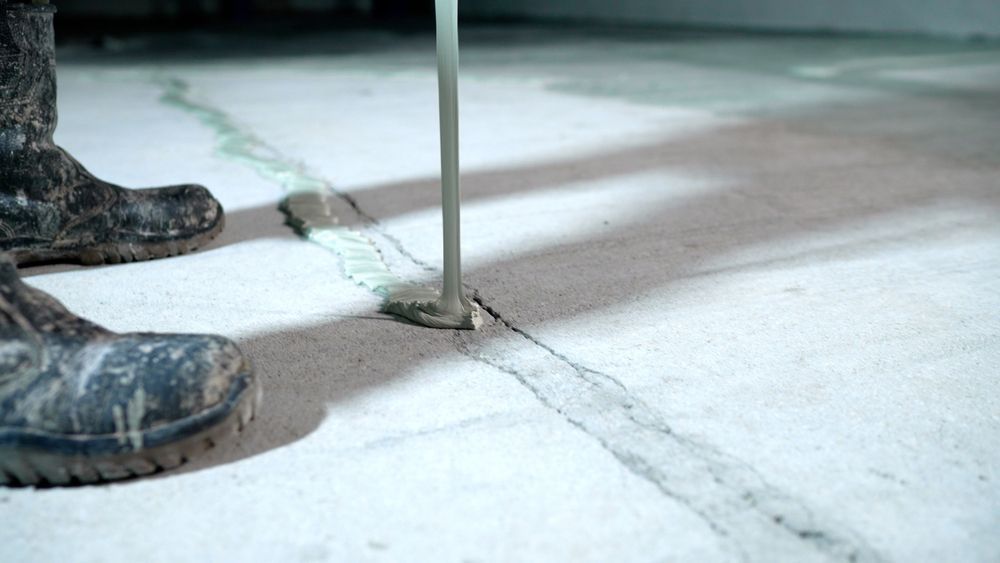
Spotting a jagged line across your concrete basement floor can instantly trigger anxiety. You might immediately wonder: Should I repair this immediately, or wait for further signs of trouble?
While it is easy to envision your home's foundation slowly crumbling, a single basement floor crack rarely signals impending structural collapse. However, ignoring these physical fissures can lead to much bigger problems down the road. To protect your property, you must evaluate the severity of the damage, understand why these defects happen, and decide on the appropriate course of action.
When homeowners are unsure of the risks, turning to experienced structural concrete experts like Disciple Masonry can provide
basement floor crack repair in Bucks County needed to keep a home safe and dry.
Why Do Basement Floor Cracks Appear?
Concrete is rigid, but the earth beneath it is constantly in motion. Understanding the underlying mechanics of your home helps you identify the root cause of the damage:
- Expansive Clay Soil: When a home is built on clay-heavy soil, the ground dramatically expands when wet and contracts when dry. This shifting places immense stress on the concrete slab, eventually causing it to crack.
- Hydrostatic Pressure: High water tables push groundwater upward against the bottom of your concrete floors. Over time, this intense pressure creates fractures that let moisture seep into your living space.
- Poor Construction Practices: If builders failed to properly compact the dirt before pouring the concrete, the heavy slab will eventually sink into the remaining voids.
- Natural Concrete Shrinkage: Minor hairline cracks commonly result from normal concrete shrinkage during the curing process as moisture leaves the initial mix.
Newly poured concrete shrinks slightly during its first year. Monitoring these changes over the first 24 months helps establish a baseline for your home's natural movement before rushing into heavy repairs. If cracks continue to widen past this mark, it’s time to have a professional team like Disciple Masonry take a closer look.
Identifying the Types of Basement Floor Cracks
Hairline / Shrinkage
- Appearance: Less than 1/8 inch wide; completely level on both sides.
- Severity & Action: Low. A cosmetic issue caused by natural concrete curing or mild settling. Keep an eye on it over time.
Active / Leaking
- Appearance: Any width; shows visible moisture, dampness, or running water.
- Severity & Action: Medium to High. Needs water mitigation or professional waterproofing to prevent mold and structural moisture damage.
Heaving / Uneven
- Appearance: One side of the crack sits noticeably higher than the other, creating a vertical lip.
- Severity & Action: High. Indicates serious underlying soil shifting or frost heave underneath the slab. Get a specialist evaluation promptly.
Tapered
- Appearance: Wider at one end than the other.
- Severity & Action: High. Signals that the concrete slab is actively rotating or tilting unevenly. Needs expert inspection.
The Hidden Risks of Delaying Repairs
Leaving open fissures in your basement floor invites several environmental and structural hazards into your home:
- Moisture & Toxic Mold: Even a tiny amount of water seepage creates the perfect environment for wood rot and toxic mold to flourish.
- Radon Gas Intrusion: According to the EPA, radon exposure is the second leading cause of lung cancer in the United States. This naturally occurring, radioactive soil gas easily seeps into lower living spaces through unsealed concrete floor cracks.
- Pest Infestations: Ants, termites, and spiders utilize these narrow entry points to establish colonies inside your warm lower level.
- Ruined Renovations: If you plan on finishing your basement, repairing every crack is a non-negotiable step. Hidden moisture will quickly destroy expensive new carpet, laminate, or drywall.
- Plunging Resale Value: Savvy home inspectors flag unresolved floor cracks immediately. Proactively addressing these issues with a certified specialist like Disciple Masonry protects your equity and keeps future negotiations seamless.
When to Call the Professionals
As a general rule, any floor crack wider than a quarter of an inch needs immediate professional attention. If you can easily slip a quarter into the gap, or if you notice the crack growing rapidly over a short period, the house is actively moving.
Furthermore, pay close attention to the cove join; —the perimeter area where your concrete floor meets the vertical basement walls. If water consistently pools here, superficial DIY patching will fail. When hydrostatic pressure takes over, you need advanced structural intervention and targeted waterproofing solutions from the concrete restoration specialists at Disciple Masonry.
Step-by-Step: How to Repair a Stable, Dry Floor Crack
If you have verified that you are dealing with minor, non-structural settlement cracks that remain completely dry, you can tackle the repair yourself using this specific method:
1.Prep and Chisel the Crack: Required for a lasting bond.
For larger or tight cracks, use a hammer and chisel to "key" the crack, making the base slightly wider than the surface. This upside-down "V" shape locks the patching material in place permanently.
2.Vigorously Clean the Crevice: Remove all loose debris.
Scrub the concrete with a stiff wire brush to dislodge old paint, loose concrete, and scale. Use a shop vacuum to clear out every bit of lingering dust and fine gravel. If debris remains, the sealant cannot bond.
3.Apply a Bonding Agent: Maximizes adhesion.
Brush a concrete bonding agent along the inner walls of the clean crack. This step is crucial for making sure the new filler adheres seamlessly to the old, dry concrete.
4.Inject or Pack the Filler: Smooth flush to the floor.
Fill the crack completely with a high-quality flexible polyurethane sealant or self-leveling horizontal concrete repair compound. Use a trowel to smooth the surface flush with the surrounding floor and let it cure completely.
Advanced Professional Solutions for Structural Cracks
If your floor crack is actively leaking, uneven, or widening, consumer-grade big-box store patches will not suffice.
For permanent structural fixes, professional teams like Disciple Masonry utilize heavy-duty solutions designed for longevity:
- Polyurethane Foam Injections: This method injects a flexible, expanding foam deep into the crack to seal it through its entire thickness, blocking water while accommodating future natural shifts.
- Carbon Fiber Reinforcement: High-tensile carbon fiber straps are bonded directly across structural breaks, providing immense strength that stops further widening or lateral movement.
- Slabjacking & Polyjacking: If the floor has settled unevenly, specialized teams drill micro-holes into the concrete and inject a dense structural foam underneath, safely lifting the heavy concrete slab back to its level position.
Long-Term Maintenance Check
To keep your basement dry and stable, pair your interior repairs with smart exterior water management. Keep your gutters clean, make sure your downspouts discharge water at least ten feet away from your foundation, and make sure the exterior soil slopes gently away from your home. Whether you are handling a DIY patch on a cosmetic blemish or bringing in a trusted foundation partner, addressing your basement floor cracks early is the absolute best way to safeguard your home’s structural health.
Protect Your Foundation with Disciple Masonry
Don't let minor basement cracks turn into a massive structural headache or a breeding ground for mold and radon. Whether you are dealing with a shifting floor, persistent water leaks, or want an expert assessment before finishing your basement, Disciple Masonry is here to help. Our skilled team delivers long-lasting foundation repair, concrete stabilization, and professional structural solutions you can count on.
Contact Disciple Masonry today to schedule your professional basement inspection and secure the structural health of your home!