
Assess the Current Condition: Preliminary Steps for a Cinder Block Wall Makeover
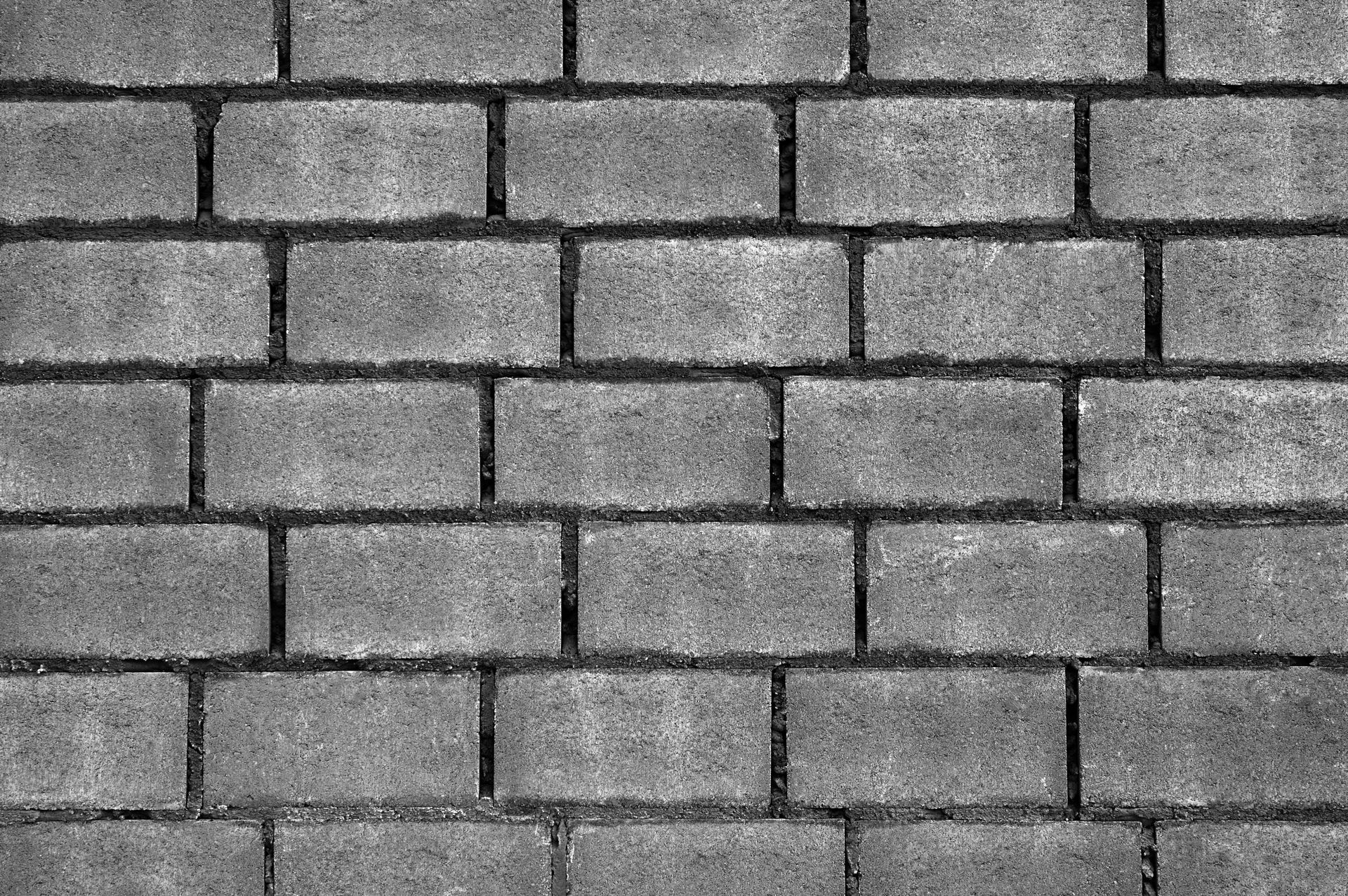
Standard concrete blocks are durable for outdoor projects, but they often lack the aesthetic charm needed for high-end residential landscapes. A drab, industrial boundary wall can drag down your property value and curb appeal, but you don't need to start from scratch to fix it.
Whether you are looking for a simple cosmetic update or a complete structural revamp, Disciple Masonry specializes in turning basic cinder blocks into stunning architectural focal points with masonry services near King of Prussia and in the surrounding area.
How to Elevate Your Masonry Walls
Turning an ordinary wall into a professional masterpiece involves focusing on texture, color, and seamless environmental integration. Here are the primary methods to upgrade your yard boundary:
- Stone Veneers: Add the look of expensive custom stonework without the cost of full-depth stone.
- Stucco Finishes: Create a smooth, modern surface that provides a clean backdrop for your garden.
- Color & Paint: Apply specialized masonry stains or paints to move away from "industrial gray."
- Texture Work: Use decorative capping or intricate patterns to break up the visual monotony of flat blocks.
A successful makeover starts with understanding masonry porosity, how well the block absorbs moisture and finishes. Using the wrong materials can lead to peeling or cracking over time. Disciple Masonry makes sure that every upgrade considers finish adhesion and structural integrity, guaranteeing your hardscaping remains beautiful for years to come.
Assess the Current Condition: Preliminary Steps for a Cinder Block Wall Makeover
Before applying any new exterior wall finishes, you must carefully evaluate the structural integrity of your masonry blocks to deliver a stable substrate. Persistent moisture, freezing winter temperatures, and natural ground settling cause significant damage to mortar joints over time, leading to potential failure of new coatings. A thorough preliminary inspection prevents you from wasting money on superficial cosmetic fixes that will eventually fail due to underlying structural issues. Look for signs of efflorescence, which appears as a white powdery substance indicating that water is moving through the block and carrying minerals to the surface.
Inspect for Structural Damage
Look closely for large cracks, crumbling mortar, or sections leaning noticeably out of plumb, as these indicate serious foundation or drainage problems. You should repair minor hairline fractures using a high-quality masonry sealant from your local hardware store to prevent moisture ingress and further deterioration. Addressing these issues early with a professional makes sure that your improvements remain intact for decades rather than peeling off within a single season due to shifting substrates.
Clean the Surface Thoroughly
New paints, stains, and construction adhesives will fail to bond if they encounter dirt, algae, or stubborn mineral efflorescence on the surface. You should pressure wash the entire surface using a wide-angle nozzle to remove loose debris safely without gouging the relatively soft concrete. For stubborn white mineral deposits, apply a specialized masonry cleaner using a stiff bristle brush and heavy pressure to restore the original texture.
How to Make Concrete Masonry Brick Garden Walls Look Better with Paint or Stain
Painting is among the simplest ways to redesign an uninspired concrete wall with a touch of freshness and cleanliness. Today’s paints are extremely adhesive and weatherproof for outdoor applications on concrete surfaces. However, you will need to choose paints designed for porous materials if you want the effect to last for a long time without having the paint peel off due to hydrostatic pressure. A small change like this will help refresh an old-fashioned environment around the house.
Choose the Right Masonry Paint
Standard exterior house paint traps moisture inside the concrete blocks and quickly leads to extensive blistering and unsightly flaking. Elastomeric masonry paint stretches with temperature changes and creates a waterproof barrier against heavy rain while remaining breathable enough for vapor to escape. You should apply a dedicated concrete primer first to seal the pores and improve the final paint adhesion for a professional-grade finish.
Apply Concrete Stain for a Natural Finish
If you prefer a more natural appearance, acid or water-based stains offer an excellent alternative to solid paint by highlighting the concrete's unique texture. Stains penetrate the concrete surface deeply, creating rich color variations that mimic the look of natural stone or weathered earth tones. This application method requires careful surface preparation but eliminates the risk of future peeling entirely because the color becomes an integral part of the block. For those seeking a rustic or Mediterranean vibe, staining provides a depth of character that flat paint simply cannot replicate on a standard concrete masonry wall.
Always test your chosen concrete stain on an inconspicuous section of the wall first. The final color depends heavily on the specific composition, porosity, and age of your masonry blocks, which can vary significantly between manufacturers and batches.
Exterior Wall Cladding: Cover the Wall with Finishing Materials like Stone Veneer
Various premium cladding options allow you to match the yard wall seamlessly with your existing home architecture, whether it is traditional or contemporary. These advanced methods require a higher initial budget and more labor but add significant property value and permanent aesthetic appeal. By adding a new layer of material, you also provide an extra level of protection against the elements for the underlying concrete masonry units.
Apply Stucco or Render
A traditional stucco finish completely hides the block joints and creates a smooth, continuous exterior surface that looks high-end and intentional. You can customize the final texture from a sleek modern finish to a rustic Mediterranean style using various troweling techniques. Stucco is particularly effective for curved walls where rigid panels might be difficult to install, providing a seamless and elegant appearance that enhances garden wall aesthetics.
Install Stone or Wood Veneer Panels
Stone veneers are perfect when it comes to creating the effect of natural stone at a reduced cost and a substantially lower weight than regular bed stones. The panels you will be working with can be affixed right onto the block work with the help of exterior-use polymer modified mortar. Cedar and redwood boards can be fixed horizontally on vertical strips for a highly contemporary look.
How Professionals Apply a Basic Stucco Finish for Better Masonry Aesthetics
- Prepare the Surface: Clean the blocks thoroughly to remove dust and apply a liquid concrete bonding agent to improve the mechanical bond between the stucco and the masonry.
- Apply the Scratch Coat: Trowel on the base layer of mortar approximately 3/8 inch thick and score it horizontally with a scarifier tool to create a mechanical key.
- Add the Finish Coat: Apply the final layer after the scratch coat cures for at least 24 hours, texturing it to your aesthetic preference using a sponge or trowel.
Professional Results with Caps and Coping for Your Wall
- Cap Off the Project: Don’t let your wall look unfinished. Caps not only conceal the unsightly hollow cores but also provide an elegant frame to your wall.
- Protect Against Water Damage: While coping can add to the aesthetics of your structure, its primary purpose is to prevent water damage that can cause cracks and unsightly white stains known as efflorescence.
- Functional Uses: You can turn a plain wall into a practical feature by installing a flat cap that acts as a bench or shelf.
Selection of Caps and Coping Materials:
- Pre-Cast Concrete: Strong and cost-effective, available in different designs ranging from flat to curved bullnose caps.
- Natural Stone: Enhance your wall with the beauty of bluestone or slate.
Long-Lasting Masonry Wall Finishes and Weather Protection
It is essential that you maintain the wall after completing the project as you have invested a lot of money in the process and hope to get the desired outcome. Over time, all materials become used due to their contact with external factors, which include UV rays and biological impacts. You need to schedule an annual examination and prevent anything that might cause you a lot of money in the future. With maintenance, you can perform minor repairs to save yourself from needing to invest in big projects.
Even with high-quality paint and coatings, you should still perform regular maintenance. This is particularly necessary for walls placed close to highways and gardens. You can make use of garden hoses and soft brushes to remove dust and pollen from walls, as harsh chemicals and excessive pressure can remove the protective covering from walls.
Upgrade Your Masonry Wall Today
The right approach can only be chosen based on what you envision your outdoor area to be with stone masonry near Philadelphia from Disciple Masonry. Painting will give you instant satisfaction but needs to be redone periodically; stone veneering is both structurally beautiful and virtually maintenance-free.
Start the process now by evaluating your wall and deciding on the upgrade path that suits you and your garden wall best. Contact Disciple Masonry today to discuss your options!