
What Are the Different Types of Stone Masonry: Two Main Categories of Stone Construction
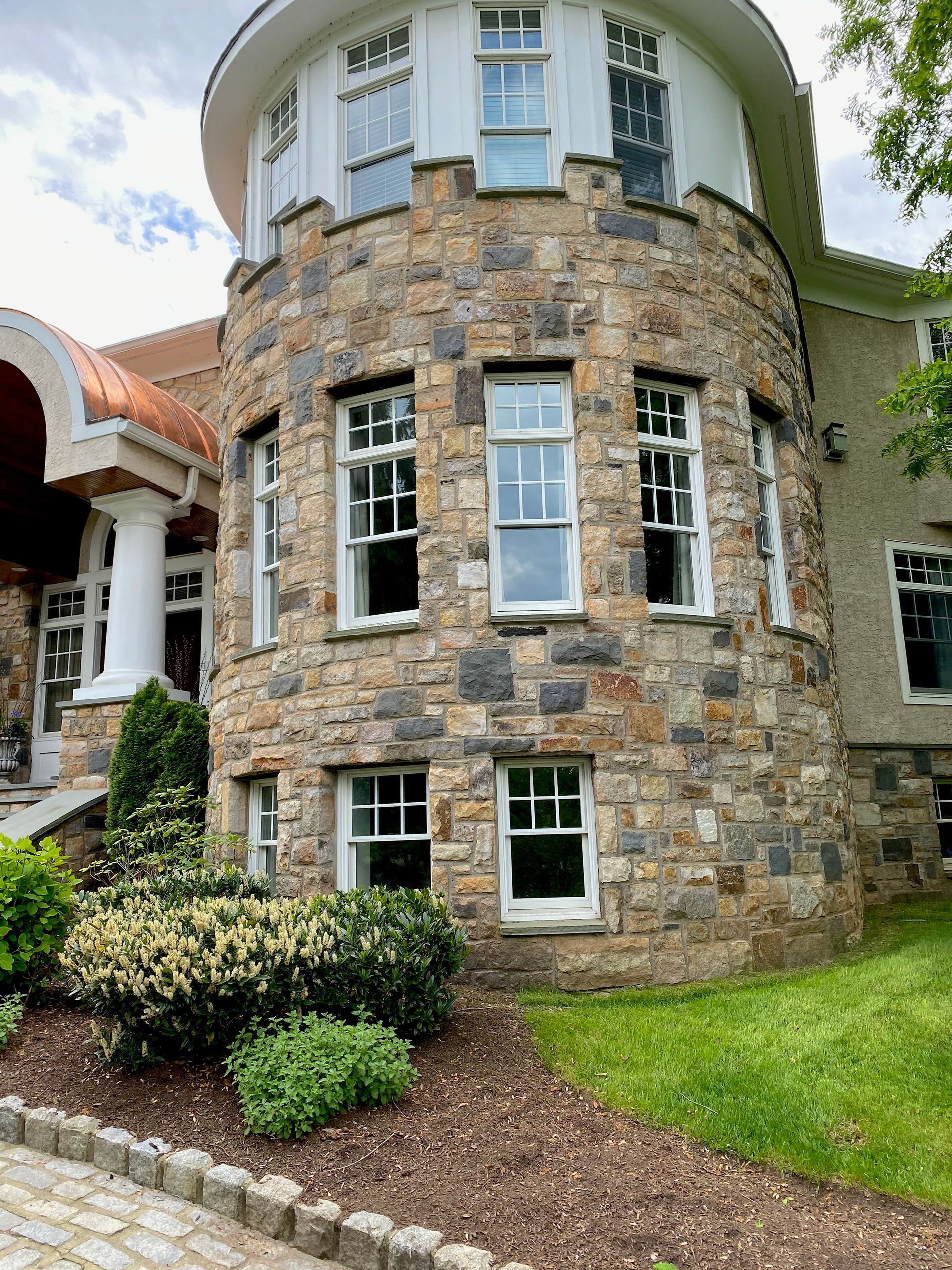
Stone masonry construction stands as one of the oldest and most durable building methods in human history. Builders have relied on these natural stone materials and architectural stone for centuries to create structures that withstand the test of time.
Do you know what are the different types of stone masonry available for your upcoming building project? When quality and precision matter, teams like Disciple Masonry specialize in bringing these timeless techniques to modern landscapes with
masonry services near Bucks County.
What Are the Different Types of Stone Masonry: Two Main Categories of Stone Construction
Rubble Masonry
- Preparation: Uses natural stones that are either not shaped at all or only roughly shaped.
- Appearance: Has a rough, rustic look that goes well with natural settings.
- Construction: Needs thick mortar joints to hold the stones in place and fill in the gaps between them.
Masonry with Ashlar
- Getting ready: Stones are cut and dressed into even geometric shapes, usually rectangles or squares.
- Looks: Gives off a formal, clean, and smooth look.
- Construction: This style uses thin, precise mortar joints, which means that there is very little room for error, so it requires a lot of skill.
- Common Uses: You can find it in government buildings, big monuments, and high-end homes.
Exploring the Variations of Rubble Stone Masonry and Construction Methods
Builders often choose rubble masonry when they want to minimize material processing costs while maintaining structural integrity for the building. Within this broad category, several specific masonry techniques exist based on how the stones are arranged during construction.
- Coursed Rubble Masonry Construction for Structural Stability: In coursed rubble masonry, builders arrange roughly shaped stones into distinct horizontal layers or courses to improve load-bearing capacity. Workers sort the stones before starting, selecting pieces of similar heights to maintain a relatively level line throughout the wall.
- Uncoursed Random Rubble Masonry for Rustic Aesthetics: Uncoursed random rubble represents the most basic and economical form of stone construction used by modern builders today. Masons place stones of various sizes exactly as they come from the quarry without forming horizontal layers or courses. This "mosaic" style is a signature of many Disciple Masonry outdoor living projects, offering a unique, handcrafted feel.
- Dry Rubble Masonry Techniques and Mortarless Walls: Dry rubble masonry completely eliminates the use of mortar to bind the individual stones together, relying on expert craftsmanship. Craftsmen rely entirely on gravity, friction, and careful stone placement to build strong, free-standing structures that last.
When planning a dry rubble wall, select highly angular stones rather than rounded river rocks. Angular edges interlock naturally and provide significantly more stability for mortarless outdoor construction projects.
The Elegance of Ashlar Stone Masonry Styles and Finishes
Ashlar masonry requires highly skilled craftsmen who can shape raw rock into perfect architectural elements for high-end projects. This premium construction method costs significantly more than rubble techniques due to the extensive labor involved in dressing the stone. However, the resulting structures offer incredible durability and a sophisticated appearance that adds immense property value.
- Ashlar Fine Stone Masonry for High-End Architecture: Builders consider fine ashlar the highest quality of stone construction available in the building industry for luxury homes. Every stone receives perfectly squared edges and a completely smooth face before workers set it into place.
- Ashlar Rough-Tooled Stone Masonry for Textured Exteriors: Rough-tooled ashlar maintains the precise geometric dimensions of fine ashlar but leaves a textured surface finish on the stone face. Masons use specialized chisels to create deliberate patterns across the exposed face. Disciple Masonry often utilizes this style to provide a clean, formal structure while adding visual interest through the textured surface treatment.
- Ashlar Rock-Faced Stone Masonry for Durable Facades: Rock-faced ashlar perfectly combines the structural precision of cut blocks with the rugged appearance of natural stone. Builders square the edges of each block perfectly but leave the central face entirely rough and untouched for a natural look.
Comparing Stone Veneer vs. Solid Stone Masonry Systems
Modern construction practices have shifted heavily away from solid stone walls to more economical stone veneer systems for residential use.
- Solid Masonry: Carries the actual structural weight of the building roof and upper floors as a load-bearing wall.
- Stone Veneer: Acts as a decorative outer layer attached to a hidden structural frame.
Disciple Masonry frequently installs thin natural stone veneers to give homeowners the look of a solid stone castle without the massive structural overhead.
Selecting the Perfect Natural Stone Material for Your Project
Your choice of raw material heavily influences which masonry style will work best for your specific project goals.
| Stone Type | Best Masonry Style | Common Use Cases |
|---|---|---|
| Granite | Rubble / Heavy Ashlar | Foundations; Retaining Walls |
| Limestone | Fine Ashlar | Decorative Facades; Carvings |
| Sandstone | Ashlar / Veneer | Garden Walls; Residential Siding |
| Slate | Rubble / Dry Wall | Patios; Rustic Fencing |
Conclusion
Understanding the different types of stone masonry helps you make informed decisions about construction. Whether you select rustic uncoursed rubble or the elegant fine ashlar work provided by Disciple Masonry, natural stone provides unmatched durability and beauty. Contact us today!