
Chimney Crown Repair: Why Concrete Crowns Crack and Fail
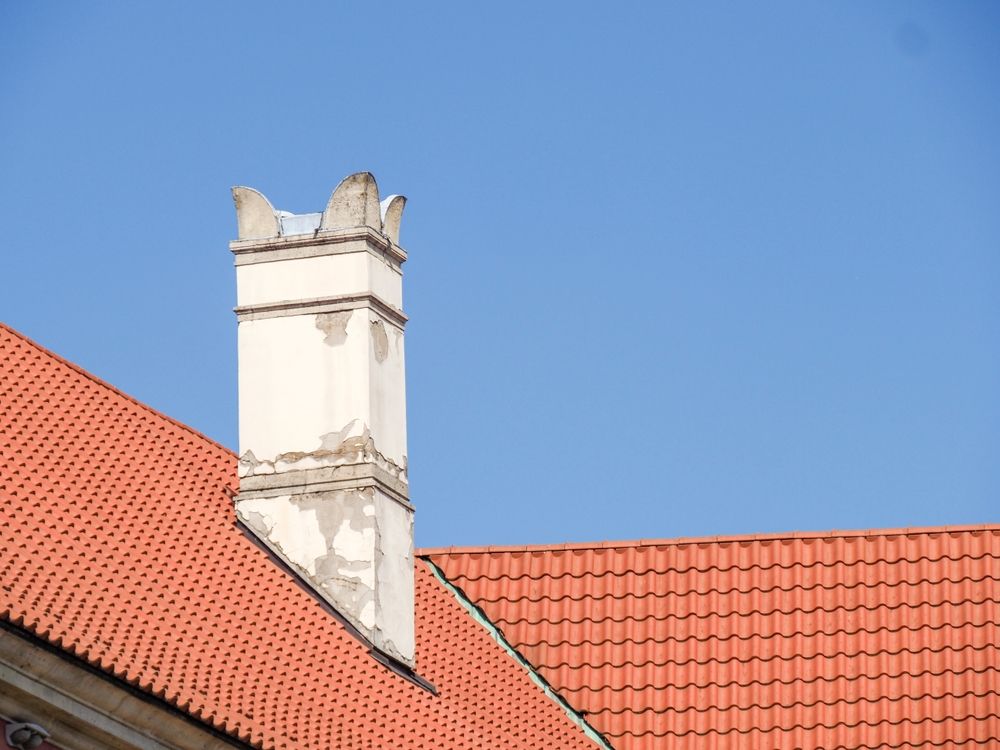
The chimney crown is the main roof that protects your whole masonry heating structure. It's important to know how to fix cracks in a chimney crown to keep your home safe. This important concrete slab keeps heavy rain from falling directly onto the bricks and mortar below, which are porous. Working with a professional team like Disciple Masonry can help you keep your home safe by finding problems that are deep-seated before they damage your foundation.
A compromised crown allows excessive moisture to seep deep into the surrounding masonry materials, necessitating immediate chimney crown repair. This trapped water expands as it freezes during cold United States winter storms. The resulting ice expansion pushes the brickwork apart from the inside with incredible hydraulic pressure, often leading to significant structural damage.
Understanding the Roots of Crown Deterioration
Many homeowners wonder why a solid slab of thick concrete crown material splits open over time. The primary culprit involves constant thermal expansion and contraction driven by daily weather patterns. Sun exposure heats the masonry significantly during the day, while nighttime temperatures cool the structure rapidly, creating stress.
At Disciple Masonry, we often see crowns that have failed simply because they weren't designed to handle these localized climate shifts and offer assistance through our
chimney repair near Montgomeryville.
This constant temperature shifting creates massive internal stress fractures within the rigid concrete material. Another frequent cause of failure involves substandard building practices during the initial home construction phase. Builders sometimes use regular mortar instead of proper cement to form the top slab, which lacks durability. Standard mortar lacks the severe weather resistance needed for a horizontal surface exposed to direct rain. It absorbs standing water quickly and breaks down completely within a few short years.
House settling also plays a significant and destructive role in exterior masonry damage. As the home foundation shifts slightly, the rigid chimney structure experiences intense lateral pressure. The crown sits at the very highest point and takes the brunt of this twisting force, resulting in deep fissures.
Assessing Damage Before Chimney Crown Repair
Before buying any repair supplies, you must carefully evaluate the current physical state of your chimney. Grab a sturdy extension ladder and safely inspect the top horizontal surface of your heating structure. Look closely at the exact width and depth of the visible fissures running across the concrete crown. The appropriate repair method changes drastically depending on the overall severity of the surface damage.
Hairline cracks generally measure less than an eighth of an inch wide. These tiny gaps represent the absolute earliest stages of water damage and structural decay. You can often fix these minor imperfections with liquid sealants. However, larger gaps or missing chunks of cement indicate severe structural deterioration.
If loose pieces of the concrete lift away easily by hand, a simple surface patch will fail. This advanced level of decay usually requires a complete crown rebuild. Disciple Masonry specializes in these full-scale restorations, making sure the new slab is reinforced to withstand future settling.
Gathering the Best Chimney Crown Repair Products
Thorough preparation makes the masonry repair process smooth, efficient, and highly successful. You need specific chimney crown repair products designed exclusively for exterior masonry applications and severe weather exposure. Standard interior silicone caulking will degrade, so choosing the right chimney crown sealant is essential for long-term protection.
Start your project by purchasing a stiff wire brush and a sturdy metal putty knife. You also need a high-quality exterior masonry polyurethane sealant tube to fill the deepest individual gaps. For significantly wider gaps, buy a small tub of pre-mixed exterior concrete patching compound to deliver structural integrity. Finally, select a premium brushable elastomeric chimney crown sealant to coat the entire top surface completely.
Step-by-Step Guide: Professional Application Techniques
Following these specific procedures guarantees a watertight seal that lasts for many consecutive winter seasons. Rushing through the critical preparation phase always leads to premature product failure. Pay close attention to the weather forecast; most commercial products require a specific temperature range to cure. Applying sealants during a rainstorm washes the chemicals directly down the sides of your house.
1. Clean the Surface Thoroughly
Use your wire brush to vigorously scrub away moss, loose debris, and flaking concrete pieces. A perfectly clean surface allows the new materials to bond aggressively. At Disciple Masonry, we emphasize that a repair is only as good as the surface preparation.
2. Fill the Individual Fissures
Inject the polyurethane masonry caulk deeply into the small gaps until the material overflows slightly. Smooth the wet caulk completely flat with your putty knife to prevent any future water pooling.
3. Apply the Elastomeric Sealer
Paint the thick elastomeric crown sealer over the entire concrete slab using a large disposable brush. This creates a flexible, highly waterproof membrane over the existing structure that expands with the weather. We recommend a second coat to guarantee maximum protection. Brush the second layer in a perpendicular direction to the original base coat. This "cross-hatching" technique covers any microscopic pinholes.
Check the local weather forecast for a guaranteed 48-hour dry window before starting. High humidity extends curing time significantly.
Long-Term Chimney Maintenance and Prevention
Fixing the immediate surface damage with a quality sealant solves the current water intrusion problem, but proactive maintenance prevents future headaches. You must consistently monitor the physical condition of your masonry every single year.
- Trained professionals spot early warning signs of mortar deterioration long before they become visible to the untrained eye.
- They check the internal flue liner, the exterior brickwork, and the concrete crown for subtle changes.
- Catching a tiny flaw now stops a massive internal water leak next spring.
- Consider applying a breathable masonry water repellent to the vertical bricks located right below the crown. This treatment stops the bricks from absorbing rain while allowing naturally trapped moisture to escape.
Call the Professionals to Fix Your Chimney Crown
You need to always be on the lookout to keep your home from getting a lot of water damage. It's important to know when to call in the experts at Disciple Masonry, but it's also important to know how to fix cracks in a chimney crown. If you don't pay attention to small gaps in the surface, they can quickly turn into huge structural failures.
This weekend, take the time you need to look over the structure of your roof. You can protect your chimney from the worst natural elements for years to come with just a few hours of hard work. Keep in mind that a properly sealed concrete crown will keep you safe during every heavy rainstorm.
For those who want the job done with precision and a commitment to quality, Disciple Masonry is ready to make sure your chimney stands tall against the test of time.