
Repointing Basics: Understanding Why Mortar Fails and the Need for Chimney Repair
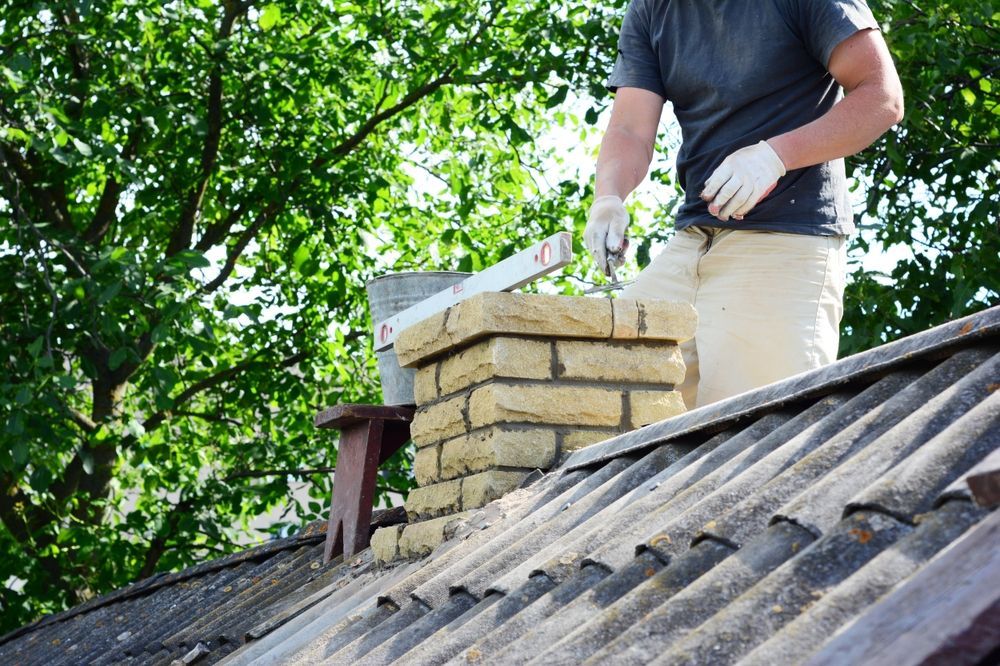
Your chimney is the most exposed part of your home’s exterior. While the rest of your house might be shielded by neighboring trees or orientation, the chimney stack sits high above the roofline, enduring constant exposure to driving rain, heavy snow, scouring winds, and the internal thermal shock of high temperatures.
While the bricks themselves are incredibly durable the mortar holding them together is a different story. Mortar is designed to be softer and more porous than brick, making it the "weak link" by design. If you notice crumbling joints or sandy debris on your roof, you are likely facing the need for chimney repointing.
At Disciple Masonry, we specialize in identifying these early failure points for brick chimney repair in North Wales to prevent structural collapse and restore your chimney’s mortar joints to their original strength.
Why Mortar Fails: The "Sacrificial" Element
In the world of masonry, mortar is considered a sacrificial element. This means it is engineered to be the component that fails first. Why? Because it is much easier and cheaper to replace mortar than it is to replace cracked or "spalled" bricks. Mortar absorbs the structural stress of the building's movement and the moisture from the atmosphere, protecting the bricks from cracking under pressure.
However, this porous nature means that chimney mortar deterioration is inevitable. Over several decades, the lime and cement binders in the mix begin to wash away, leaving behind nothing but loose sand.
The Enemy: The Freeze-Thaw Cycle
Water is the primary antagonist of any masonry structure. When water soaks into porous mortar joints, it sits within the microscopic voids of the material. When temperatures drop below freezing, that water expands by approximately 9%. This internal pressure creates "micro-cracks."
As this cycle repeats hundreds of times over a single winter, those tiny cracks grow into gaping voids. Eventually, the bond between the brick and mortar breaks completely, leaving the chimney vulnerable to water pouring into the interior of your home. This is why Disciple Masonry emphasizes the importance of seasonal inspections; catching these cracks early can save you thousands in interior water damage repairs.
Identifying Warning Signs: How Do You Repair Chimney Mortar Effectively?
You don't always need to be a masonry expert to spot trouble. Often, the first indicator is seeing "weeping" mortar or sand accumulating at the base of the chimney or inside the firebox. If you find small chunks of gray material on your lawn after a storm, your chimney is literally shedding its structural integrity.
Visual Red Flags:
- Recessed Joints: If the mortar is no longer flush with the brick and has receded more than 1/4 inch, the waterproofing seal is broken.
- Vegetation: If you see moss or even small weeds growing out of your chimney joints, it means there is enough moisture and organic material trapped inside the wall to support life, a clear sign of advanced decay.
- Spalling Bricks: This is a serious red flag. Spalling occurs when the face of the brick pops off. It happens because the mortar failed to let moisture escape, forcing the water to freeze inside the brick itself.
If you notice these signs, the team at Disciple Masonry recommends a professional assessment immediately. Ignoring these warnings can result in a leaning chimney or a total collapse, which poses a significant safety risk to your family and property.
Essential Tools and Materials for Professional Repointing
Proper repointing is an art form that requires the right chemistry. You cannot simply smear a hardware-store "patching" compound over old cracks.
To do the job correctly, specifically to the standards held by Disciple Masonry, you need a dedicated toolkit:
- Angle Grinder: Used with a diamond blade to remove old mortar safely.
- Hammer & Cold Chisel: For delicate removal near corners or fragile bricks.
- Pointing Trowel: A thin, flat blade used to "tuck" mortar into narrow joints.
- Masonry Hawk: A flat square plate used to hold a supply of mortar near the work area
- Jointing Tool: Used to "strike" or shape the finished joint (concave, V-joint, etc.).
- Type N or Type O Mortar: Specific mixes that provide the right balance of strength and flexibility.
The Repointing Process: A Step-by-Step Restoration
Repointing, also known as tuckpointing, is the process of removing damaged mortar and replacing it with fresh material. It is a labor-intensive process that requires a steady hand.
1. Joint Preparation
The first step is "raking out" the old mortar. We use grinders or chisels to remove the decayed material to a depth of about 3/4 inch to 1 inch. This creates a "U" shaped pocket that allows the new mortar to get a firm mechanical grip on the brick.
2. Cleaning and Pre-Wetting
Dust is the enemy of a good bond. After raking, the joints must be brushed or blown clean. We then lightly dampen the bricks. If you apply wet mortar to a bone-dry brick, the brick will suck the moisture out of the mortar too fast, causing it to shrink and crack before it even cures.
3. Packing the Joints
Using a pointing trowel, we apply the mortar in thin layers (lifts). We pack the mortar tightly to eliminate air pockets. Air pockets are "basements" for water; if they exist, the freeze-thaw cycle will start the destruction process all over again from the inside out.
4. Tooling and Striking
Once the mortar is "thumb-print hard," we use a jointing tool to shape the joint. This isn't just for looks; a concave joint helps shed water away from the center of the masonry more effectively.
When to Call Disciple Masonry
While some homeowners enjoy a DIY project, chimney repair at heights is inherently dangerous. If your chimney is multi-story, has loose bricks, or shows signs of leaning, it is time to call in the professionals.
Disciple Masonry provides the expertise needed to handle:
- Matching Historical Mortar: We can match the color and texture of your existing masonry so the repair is invisible.
- Structural Rebuilds: If the damage goes beyond the mortar, we can safely dismantle and rebuild sections of the stack.
- Safety & Scaffolding: We have the equipment to work on steep pitches and high reaches safely and efficiently.
The Importance of the Chimney Crown
Often, mortar failure starts at the very top. The chimney crown is the concrete "roof" of your chimney. If it is cracked, water runs down the inside of the brickwork, rotting the mortar from the back side. As part of our comprehensive service, Disciple Masonry inspects and seals crowns to make sure your new repointing work isn't undermined by leaks from above.
Final Thoughts on Chimney Longevity
Repointing is an essential part of responsible homeownership. It is a preventative measure that, when done correctly, can extend the life of your chimney by 30 to 50 years. By investing in quality masonry care now, you avoid the massive expense of a full chimney tear-down later.
Your chimney is more than just a pile of bricks; it is a complex ventilation system that keeps your home safe from fire and carbon monoxide. Treat it with the respect it deserves by keeping the "glue" that holds it together in top condition.