
The Art and Science of Historic Building Restoration
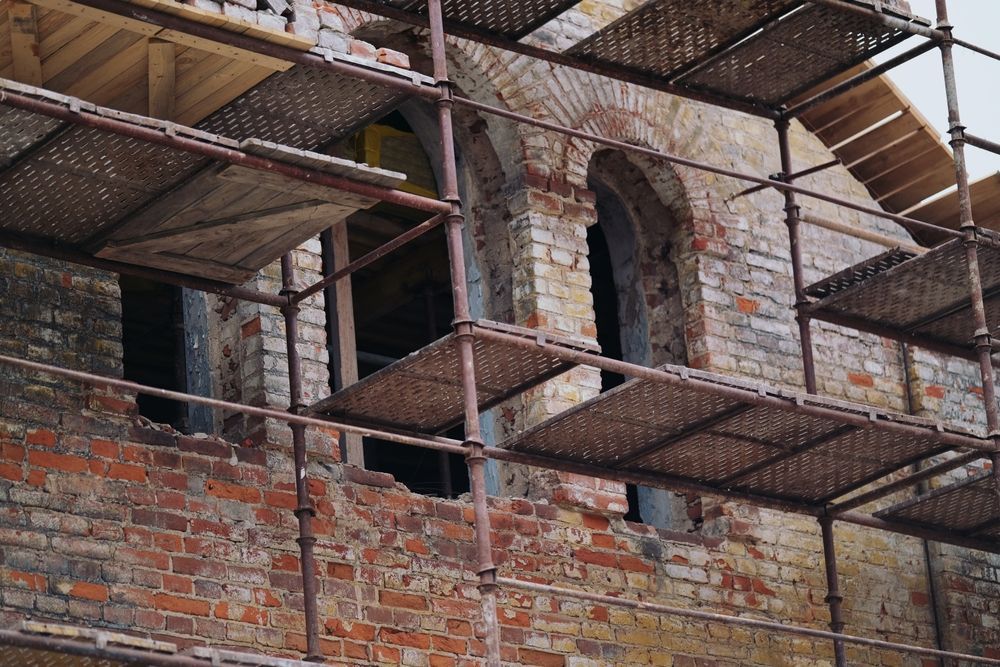
Restoring a vintage property is a rewarding challenge that connects us to our shared past. Where a casual observer might see a crumbling facade or a drafty relic, an expert sees the potential for a successful historic building restoration. This process requires a delicate, sophisticated balance: maintaining the original design and soul of the structure while making the space safe, efficient, and usable for modern life.
Every restored building tells a story. It reflects the architects and laborers who built it, as well as the generations who lived, worked, and thrived within its walls. However, the path from decay to completion is paved with specific regulations, specialized trade skills, and immense patience. To achieve the best results, owners must understand the profound difference between a simple renovation (which often replaces old with new) and true historical restoration, which seeks to preserve the old through meticulous care.
Owners of a historic property act as stewards of history. Your decisions today towards Jamison stone masonry services will impact the historical integrity of the site for decades, or even centuries, to come.
Understanding Historic Preservation Standards
The foundation of any project involving an old structure lies in defined standards. In the United States, the National Park Service (NPS) establishes the benchmarks used to protect the historic character that makes a building unique.
Historic preservation is far more than fixing what is broken or applying a fresh coat of modern latex paint. It involves a deep respect for the materials and craftsmanship of a specific period.
- Preservation: Focusing on maintenance and repair to retain a property's form as it currently exists.
- Rehabilitation: Acknowledging the need to alter or add to a property to meet continuing or new uses while retaining its historic character.
- Restoration: Depicting a property at a particular period of time in its history by removing evidence of other periods.
- Reconstruction: Re-creating vanished or non-surviving portions of a property for interpretive purposes.
Most private projects fall under rehabilitation. This allows for modern HVAC, plumbing, and electrical updates while protecting cultural resources. These resources include physical bits of history like hand-carved mantels or original masonry. Identifying which category your project fits into is the first step toward securing building permits and financial incentives.
Your Historic Preservation Team
You cannot tackle a major historic preservation project alone. A successful outcome requires specialists who speak the language of 19th-century timber frames or 18th-century stone.
While many claim to understand old buildings, the most critical specialist for brick and stone structures is the historic mason. That is why your first step should be calling the professionals at Disciple Masonry.
Why the Right Artisans Matter
Contractors and artisans are the hands that execute the vision. When you partner with us, you are hiring a team with a verified portfolio of heritage work. We understand that historic buildings were designed to breathe and move, and we treat them with the specialized care they require.
- Authentic Material Sourcing: We know how to find materials that match your building's era, from reclaimed heart pine to hand-molded brick.
- Scientific Accuracy: We utilize lime-based mortars specifically engineered to match the original composition, ensuring your masonry remains flexible and durable.
- Heritage Craftsmanship: We don't just "fix" walls; we restore them using time-honored techniques that respect the original builder's intent.
- Assessing Structural Integrity and Damage
Before you choose paint colors or light fixtures, you must evaluate the bones. Water is the primary enemy of any historic structure. Whether it is a slow leak in the flashing or rising damp in the basement, water causes rot, mold, and masonry failure.
The Danger of Modern Materials
A common mistake in DIY restoration is using modern materials on old surfaces. For instance, never apply Portland cement to historic brick or stone. Historic masonry was typically built using lime-based mortars. Portland cement is too hard and non-porous. It traps moisture inside the softer historic bricks, causing them to spall (the face of the brick pops off) and eventually crumble. Disciple Masonry emphasizes using like-for-like materials to allow the wall system to breathe naturally.
Foundation and Envelope
Foundation settling is frequent in buildings pre-dating modern concrete. While small cracks might be harmless breathing, large diagonal gaps indicate a threat. You must stabilize the envelope (the roof, windows, and foundation) before touching the interior. If the roof is failing, your interior plaster and woodwork are at risk.
How to Plan Your Restoration Workflow
- Stabilize the Structure: Address roof leaks and foundation issues immediately. Use temporary tarps if necessary.
- Document Existing Conditions: Take hundreds of photos. Documenting the as-is state is vital for both historical records and insurance.
- Research the History: Look for old photo credit archives in local libraries.
- Consult Disciple Masonry: Let us help you understand the specific mechanical behavior of your building's arches, walls, or domes before beginning structural repairs.
- Execute Systems Updates: Carefully route electrical and HVAC through existing voids to avoid cutting into historic lath and plaster.
- Preserving Architectural Features
The details define the character. Items like original wavy-glass windows, solid wood doors, and ornate trim should be repaired rather than replaced.
Windows are often a major point of contention. While salesmen will promise energy-efficient vinyl replacements, they rarely match the profile of historic wood sashes. Furthermore, a restored wood window paired with a high-quality storm window can often match the thermal performance of a modern double-pane unit while lasting another 100 years.
Plaster and Flooring: Avoid the temptation to gut a room to install drywall. Plaster has superior acoustic and fire-resistant properties. Skilled tradespeople can re-key sagging plaster, saving the original texture of the walls.
Utilizing Financial Incentives
Restoring a historic building is undeniably expensive, but the government offers incentives to encourage it.
- Federal Historic Preservation Tax Incentives: Offers a 20% income tax credit for the rehabilitation of certified historic structures used for income-producing purposes.
- State Credits: Many states offer credits that can be stacked with federal ones, sometimes covering up to 45% of eligible costs.
- Grants: The National Trust for Historic Preservation offers small seed grants for planning and emergency repairs.
To qualify for these, you must adhere strictly to the Secretary of the Interior’s Standards. This is where your specialized team become essential. These resources help verify that your work meets the high quality and authenticity required for tax credit approval.
Why Choose Disciple Masonry?
At Disciple Masonry, we treat historic buildings as living pieces of our shared heritage. Our team specializes in the art and precision of historic masonry restoration across the area. We don't just "fix" walls; we restore the story of the building.
We verify that every joint repointed and every stone relaid is faithful to the original design. We carefully match mortar composition, color, and texture to maintain the authenticity of the site while strengthening it for the future.
Conclusion
Restoring a historic building is a marathon, not a sprint. It is a commitment that yields immense emotional and financial rewards. By following NPS guidelines, respecting original materials, and seeking out expert advice from specialists like those at Disciple Masonry, you can verify that your project is a success.
Whether you are saving a small cottage or a massive textile mill, historic preservation strengthens our communities. It provides a tangible link to our ancestors and helps the craftsmanship of the past avoid the landfill. With careful planning and the expertise, your building will continue to inspire and house future generations for centuries to come.