
Evaluating Which Mortar to Use for Foundation Repair in Your Current Wall
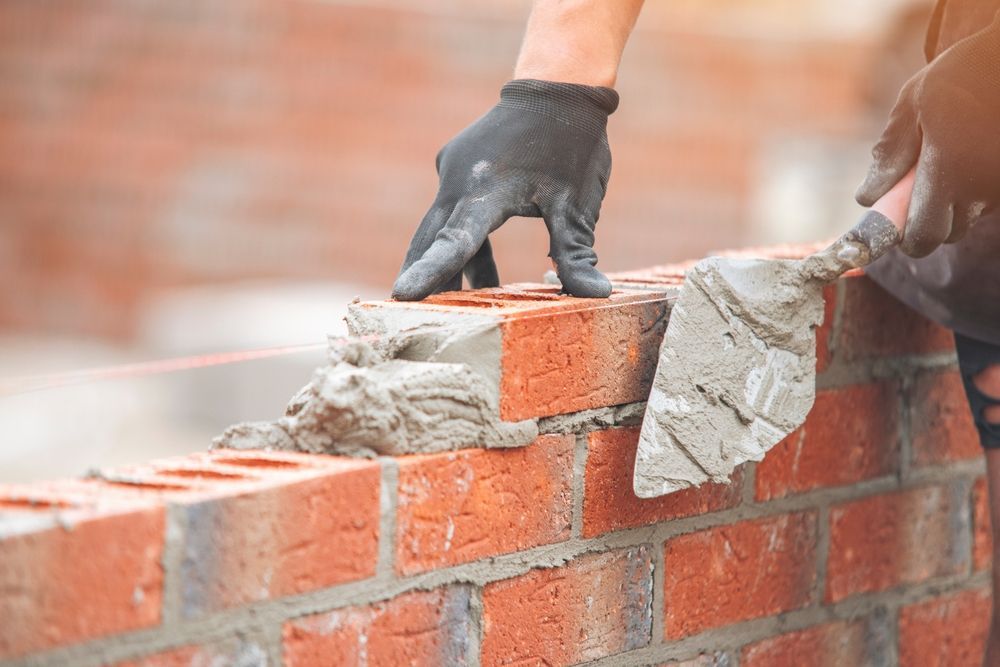
A cracked foundation threatens your entire home's structural integrity. When addressing issues like shifting floors or misaligned doors, selecting the right material is critical. Using the wrong blend can cause accelerated deterioration and expensive structural failure. This is why immediate, professional-grade intervention from Disciple Masonry is essential to diagnose underlying causes like hydrostatic pressure and implement a permanent fix.
Many homeowners assume stronger materials mean better results, but matching the properties of the new material to the original wall is what actually ensures long-term stability. Applying an incompatible, rigid mixture creates localized stress points, causing more damage than the original crack. This is especially true for historic stone foundations &
brick mortar repair in Montgomery County, which require flexibility to handle thermal expansion and natural earth movement.
The original construction method dictates the repair strategy:
- Modern Foundations: Poured concrete or concrete blocks handle heavy vertical loads and pair well with high-compressive Portland cement.
- Historic Foundations: Older structures rely on softer, natural stone designed to be semi-flexible and breathable.
Using rigid modern cement on a historic stone foundation traps moisture and causes the softer, original stones to crumble under pressure during temperature shifts. Whether your home requires modern concrete repair or a custom hybrid lime-cement mixture for an early 20th-century transition home, Disciple Masonry provides the exact chemical and physical match your foundation needs to stand firm.
Identifying Existing Materials
Take time to examine the loose mortar falling from your walls to determine its texture and hardness. Older homes built before 1900 typically used lime mortar, which is softer, more flexible, and highly breathable. Modern homes rely heavily on cement mortar for increased durability against high winds, shifting soil, and moisture penetration. The presence of white, powdery salt deposits, known as efflorescence, can also indicate how moisture is moving through your current masonry mortar.
You can send a small sample of your existing material to a testing facility for a professional analysis. These laboratories analyze the chemical composition and tell you exactly what you need to match the original recipe. This testing eliminates the guesswork from your foundation repairs and prevents costly mistakes that could compromise your home. Knowing the exact ratio of parts sand to binder allows you to recreate a mortar mix that behaves exactly like the original construction.
If professional testing is not an option, a simple "scratch test" can provide a general idea of hardness. Lime-based materials will crumble easily under a screwdriver, while portland cement-based mixtures will remain largely intact and rigid.
Choosing the Right Mortar Mix
Selecting the correct mortar type determines the longevity of your brick. Using the wrong blend can cause premature cracking or bond failure. Mortar types are categorized by strength and specific use cases:
- Type M (Highest Strength / ~2,500+ psi):
- Best for: Heavy-duty load-bearing walls, deep stone foundations, and structures in direct contact with the earth.
- Key Note: Extremely rigid. Only use it if the surrounding stone or block is hard enough to match its strength, otherwise it can destroy the adjacent material.
- Type S (High Strength):
- Best for: Modern concrete blocks, below-grade applications, retaining walls, and basement foundations.
- Key Note: Engineered to resist severe lateral soil pressure and moisture penetration. Maintaining a consistent mixing ratio is critical to avoid weak spots.
- Type N (Medium Strength):
- Best for: General above-grade applications, exterior brick veneers, and residential chimneys.
- Key Note: Offers excellent workability and flexibility ("flex") to handle minor settling and thermal shifts, but should not be used for critical load-bearing foundations.
- Type O (Low Strength):
- Best for: Interior non-load-bearing walls and historic preservation/vintage masonry.
- Key Note: Highly flexible and breathable due to a high lime content, allowing it to "self-heal" minor cracks over time. Never use it for exterior structural repairs.
Stone Foundation and Lime Mortar: Special Considerations for a Stone Foundation
Repairing historical homes requires a completely different approach to material selection and application techniques. Using modern strength concrete on a historic stone foundation causes devastating long-term damage to the original masonry. The trapped moisture will eventually destroy the soft stone from the inside out through a process called spalling. This occurs because the Portland cement is less permeable than the stone, forcing water to evaporate through the stone face instead of the joint.
Older stone foundations rely on the masonry joints to manage internal moisture effectively through natural evaporation. Lime mortar blends allow trapped water vapor to escape through the joints rather than through the natural stone itself. This moisture management system prevents the stones from cracking or exploding during freezing temperatures in the winter months. By maintaining the breathability of the wall, you ensure that the foundation stones remain dry and structurally sound.
If you block this escape route with rigid materials, the stones themselves will bear the brunt of expansion. This approach preserves the structural integrity and historical value of the property for future generations. It is also important to match the color and texture of the original masonry mortar to maintain the aesthetic character of the building.
Working with lime mortar requires patience, as it cures much slower than modern Portland cement-based products. It needs to stay damp for several days to carbonate properly and achieve its full structural potential. Rushing the drying process will lead to a weak bond and premature failure of the foundation repairs. Proper site work includes shading the repair from direct sunlight and wind to prevent the mixture from drying out too quickly.
Foundation Repairs: How the Professionals Mix and Apply Materials
At Disciple Masonry, we know a lasting repair relies on professional-grade prep and application. Even top-tier materials will fail if the substrate isn't sound. Our team meticulously clears away loose mortar and debris, ensuring a clean, structurally stable surface for an unbreakable bond.
We avoid working in extreme heat or freezing temperatures to guarantee the mix cures to its maximum compressive strength. When sub-optimal conditions are unavoidable, we use professional tools like thermal blankets or misters to carefully manage the curing environment.
Safety and compliance ground our entire operation. When handling caustic cement-based products, our crew always utilizes heavy-duty PPE to protect against chemical burns. By strictly adhering to OSHA guidelines and maintaining rigorous ventilation in confined spaces, Disciple Masonry makes sure every
brick mortar repair in Abington remains safe, efficient, and up to code.
How the Professionals Apply Foundation Mortar
1. Clean the Damaged Area
Use a wire brush to remove all loose mortar, debris, and crumbling dust from the crack. A clean surface is essential for the bonding agents to work effectively.
2. Apply Liquid Bonding Agents
Paint liquid bonding agents directly onto the exposed masonry surfaces to improve adhesion. This chemical layer helps the new patch adhere tightly to the old wall for a permanent fix.
3. Prepare the Mixture
Combine your chosen concrete type with the appropriate ratio of clean water in a bucket. Mix thoroughly until the compound reaches the consistency of thick peanut butter and holds its shape.
4. Pack the Joints
Press the wet mortar mix firmly into the damaged areas using a pointing trowel. Make sure no air pockets remain behind the visible surface to ensure full structural support for the basement walls.
Manage Consent Preferences: Researching Professional Contractors Online
Many homeowners eventually decide that severe structural damage requires professional intervention and specialized equipment. When evaluating foundation repair contractors online, you will encounter various prompts to store cookies on your device. Most modern websites feature a preference center where you can review their privacy policy and personal data practices before engaging. This is a standard part of modern digital site work and consumer protection.
You will likely see requests to accept targeting cookies and performance cookies for marketing and site optimization purposes. To protect your information, take a moment to manage consent rather than blindly accepting all terms. You can review the site's cookie list and adjust your consent preferences accordingly to maintain your digital privacy. Many contractors use these tools to track which services are most popular in specific geographic regions.
If you want to manage consent preferences strictly, look for the detailed category headings in the privacy menu. Technical glitches on a contractor’s website, like broken or repeating checkbox labels, shouldn't stop you from protecting your privacy. Always adjust your consent preferences in line with federal guidelines. After all, your personal data should be treated with the exact same care as your home's foundation.
Many systems allow you to set your preferences strictly for essential functions while blocking third-party tracking and advertising. By controlling your consent preferences strictly, you keep your browsing habits private while researching local professionals for your home. You can manage consent preferences strictly to block advertising trackers while still accessing the required contact forms and service lists. This ensures that your search for foundation repairs doesn't result in an endless barrage of unrelated advertisements.
Concrete Type and Maintenance: Best Practices for Long-Term Maintenance
After completing your foundation repair, you must implement proper drainage solutions around your home's perimeter. Directing water away from the structure prevents future hydrostatic pressure against the basement walls. Consider installing proper gutters and grading the soil away from the immediate perimeter to ensure effective moisture management. A French drain system can also be an effective way to redirect groundwater before it reaches your foundation wall.
You should inspect the repaired areas annually for any new signs of cracking, separation, or water intrusion. If you notice the new material pulling away, you might need stronger bonding agents or a different mortar mix. Catching these minor separations early prevents the need to repair concrete entirely in the future and saves money. Regular inspections are particularly important for a stone foundation, as the natural materials can be more sensitive to environmental shifts.
Regular maintenance protects your investment and keeps your home structurally sound for your family's safety. You should monitor the interior walls for damp spots, mold growth, or white efflorescence powder. These warning signs indicate that water is still finding a way through your exterior waterproofing and requires attention.
Key Takeaways:
- Implement proper exterior drainage to protect your completed structural repairs.
- Inspect patched areas annually to catch minor separations early.
- Protect your digital privacy when researching local contractors online.
Foundation Repair Conclusion: Final Thoughts on Structural Protection
Protecting your home requires careful attention to the materials holding it together and the environment surrounding it. Selecting the correct mortar mix for foundation repair protects your structure from rapid deterioration and costly future failures. Whether you have a modern block wall or a historic property, matching the material properties is absolutely essential. Using a high-quality Portland cement for modern builds or a traditional lime mortar for older ones will ensure the best results.
Take the time to evaluate your structure, test the existing materials, and apply the correct blend with precision. If you choose to hire a professional, research their credentials carefully and read reviews from previous local clients. A well-executed foundation repair will keep your home safe, stable, and valuable for many generations to come. Don't forget to ask about the specific concrete type they plan to use and how they intend to manage water damage risks during the project.
Remember that structural integrity starts from the ground up and requires a commitment to quality and detail. Investing in high-quality materials and proper application techniques yields the best possible return on your home investment.
Contact us today!