
Defining What Stucco Masonry Means: Understanding the Fundamental Components
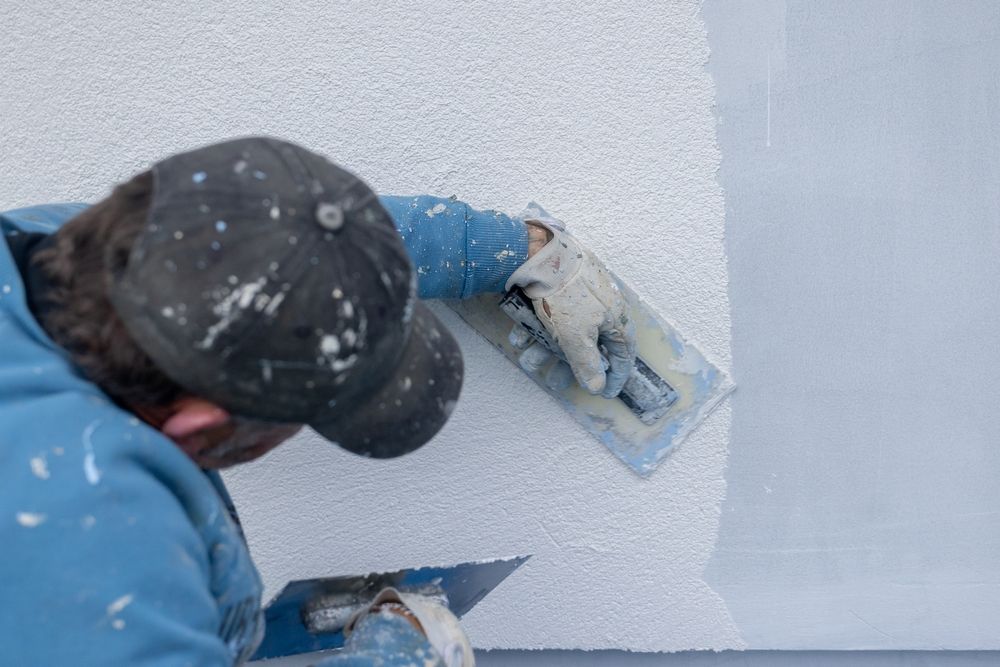
Many homeowners look at a textured exterior wall and wonder what "stucco masonry" actually means. In practical terms, it represents one of the most durable, weather-resistant building techniques available today. By applying traditional stucco directly over a solid masonry base, Disciple Masonry creates a formidable barrier engineered to withstand harsh environmental conditions, high winds, and severe temperature fluctuations.
The Anatomy of a High-Performance Wall
This time-tested system combines two distinct components to deliver exceptional structural integrity and visual appeal:
- The Structural Backbone: Built from concrete blocks, brick, or stone, this substrate provides incredible compressive strength but lacks a finished aesthetic.
- The Protective Skin: Traditional cementitious stucco, a rock-hard mixture of Portland cement, sand, lime, and water, is applied directly to the block. Unlike synthetic options, this breathable formula sheds liquid water while letting moisture escape, significantly reducing interior mold risks.
Why Direct Application Matters
Because the concrete block is naturally porous, Disciple Masonry can apply the stucco scratch coat directly to the substrate without an intermediate moisture barrier. This direct application method creates an incredibly strong mechanical bond, fusing the layers into a single, monolithic wall structure.
Whether you are planning a residential or commercial renovation, choosing a true stucco masonry repair in Bucks County system guarantees superior fire resistance, low maintenance, and a continuous protective seal over your entire property.
Key Takeaways:
- Traditional cement-based plaster over structural block creates a highly breathable and durable wall system.
- Direct application to porous concrete blocks saves construction time and creates a massive structural bond.
- The absence of organic materials in the wall assembly eliminates the risk of rot and termite damage.
Historical Context of Stucco Masonry Construction and Modern Exterior Plaster Applications
The practice of coating rough stone or brick with plaster dates back to ancient Greek and Roman architecture. Builders quickly realized that an outer protective layer shielded the primary structural components from rapid weathering and decay. In the United States, this technique gained massive popularity during the Spanish Colonial Revival architectural movement. Regions with hot, dry climates adopted these heavy wall systems because they provided excellent thermal mass for natural cooling.
Modern building practices have refined the chemical composition of the materials, but the core principles remain identical. Today, contractors often add fiberglass strands or acrylic modifiers to the cement mixture to reduce shrinkage cracking. These chemical advancements make the final surface much more flexible and resistant to normal building settlement.
You will frequently see this construction method in coastal areas where salt spray quickly degrades wood siding. The dense combination of cement and concrete block easily withstands the corrosive marine environment along the Eastern Seaboard. Furthermore, the complete lack of organic materials in the wall assembly stops any risk of termite infestation. Property owners in southern states save thousands of dollars on pest control and rot repair over the building's lifespan.
How to Apply a Cementitious Coating: The Stucco Over Concrete Block Process
Applying this cement mixture over a solid substrate requires significantly less preparation than applying it over wood framing. Wood-framed buildings require a complex system of waterproof paper, metal lath, and weep screeds to prevent rot. Block walls, however, readily accept the wet mixture directly, provided the surface remains clean and slightly damp. This stucco over concrete block bond creates a much stronger and more durable final product than conventional lath-based applications.
The process generally involves two or three distinct layers, depending on the desired finish and local building codes. Masons must carefully control the hydration process to prevent the cement from drying out too quickly. If the mixture loses its moisture before properly curing, the resulting finish becomes weak and prone to flaking. Professional contractors spend years mastering the exact trowel techniques required to achieve consistent textures across large expanses.
Installation Steps for Stucco Masonry Construction and Stucco Over Concrete Block
- Prepare the Substrate: Clean the concrete blocks thoroughly to remove dust, dirt, and loose debris. Lightly mist the wall with water to prevent the dry block from pulling moisture out of the wet plaster.
- Apply the Scratch Coat: Trowel the initial cement layer directly onto the surface with steady, even pressure. Use a specialized scarifying tool to carve horizontal lines into the wet cement, creating a strong mechanical key.
- Apply the Brown and Finish Coats: Spread the second leveling coat to create a perfectly flat surface across the entire wall. Finally, trowel the color-integrated finish layer to achieve your desired decorative texture and visual appearance.
Structural Longevity & Benefits
A professional stucco masonry exterior by Disciple Masonry combines a premium cementitious coating with block construction to deliver a wall system built to last 50 to 100 years.
Choosing a heavy masonry assembly over lightweight framing offers distinct practical advantages:
- Extreme Durability: Solid masonry resists impacts from debris and is recognized by FEMA for outstanding protection against hurricane-force winds.
- Fire & Pest Immunity: Non-combustible concrete and cement provide a critical layer of fire defense (often lowering insurance premiums) and are completely immune to termites and woodpeckers.
- Acoustic & Thermal Comfort: The massive wall density blocks out neighborhood noise and creates a "thermal lag" effect—absorbing day heat and releasing it at night—to stabilize indoor temperatures and lower cooling costs.
Common Problems and Essential Stucco Masonry Maintenance Requirements
Despite its legendary durability, this exterior system still requires periodic stucco maintenance to perform at its best. Hairline cracks inevitably develop as the building settles and the materials expand and contract with temperature shifts. You must monitor these small fissures and seal them promptly before heavy rain forces water behind the coating. If moisture penetrates the surface and freezes, the expanding ice will aggressively push the plaster off the wall.
Efflorescence represents another frequent cosmetic issue that frustrates property owners with new exterior renovations. This chalky white powder appears when water dissolves natural salts within the cement and carries them to the surface. While unsightly, efflorescence does not usually indicate a structural failure, and you can easily clean it with specialized acid washes. Proper drainage around the foundation and correctly installed roof gutters will dramatically reduce these moisture-related aesthetic issues.
Painting an older exterior requires careful consideration of the paint formulation and vapor permeability. Standard acrylic latex house paint can trap moisture inside the wall, leading to catastrophic failure of the cement bond. Professionals recommend using specialized elastomeric coatings or mineral-based paints that allow the structure to pass water vapor.
Making the Right Choice for Your Stucco Masonry Property
By eliminating vulnerable wood framing from the exterior assembly, you significantly reduce the risk of rot and pest damage. The initial investment pays dividends through decades of reliable performance and minimal required maintenance. Proper installation remains the most critical factor in achieving the full lifespan of these heavy wall systems.
Choosing the right exterior system is a major decision for any commercial or residential project. With its unmatched structural integrity, fire safety, and design versatility, this classic technique offers long-term protection for your real estate investment. To see if your property is a fit for this robust system,
schedule a consultation with the local specialists at Disciple Masonry today.