
Lime Mortar vs. Modern Cement: Why Using the Wrong Mortar Will Destroy Historic Brickwork
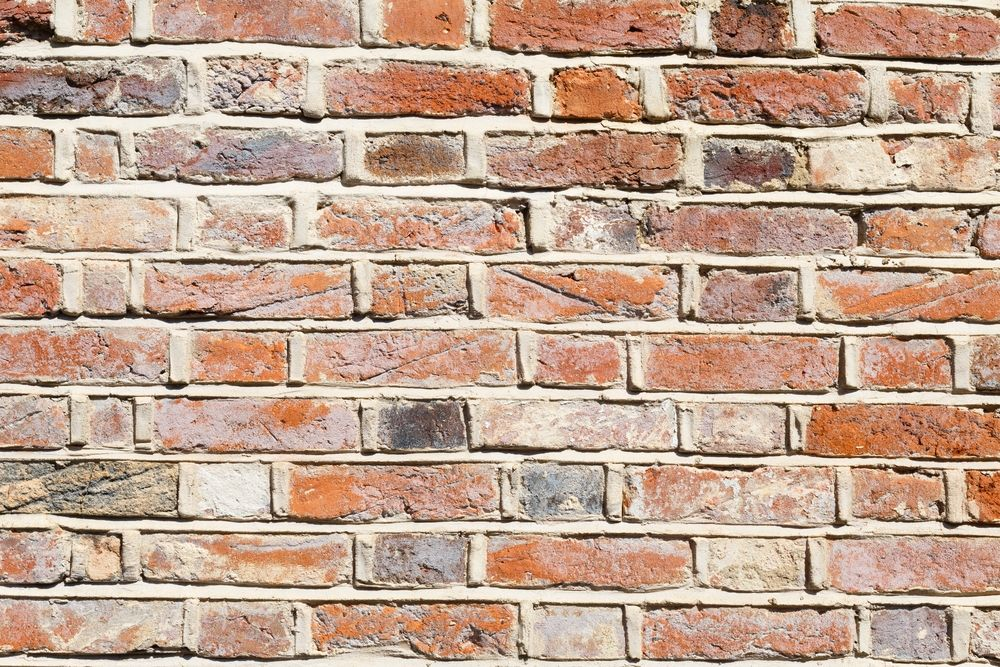
Historic brick homes possess a level of charm, craftsmanship, and structural integrity that modern materials struggle to replicate. However, when these older structures show signs of age, such as decaying joint mortar, homeowners are often tempted to patch them up using readily available modern products.
Unfortunately, applying modern Portland cement to historic brickwork is one of the most destructive mistakes a property owner or inexperienced contractor can make.
At Disciple Masonry, we frequently restore damaged brick facades caused by improper repointing. Here is a breakdown of why lime mortar and modern cement behave so differently, and why using the wrong mortar can permanently ruin historic bricks during brickwork in Lansdale.
Understanding the Difference: Soft Bricks vs. Modern Hardscape
To understand why mortar choice matters, you have to look at how bricks were made prior to the mid-20th century:
- Historic Bricks (Pre-1930s): Made from local clay and fired in low-temperature kilns. They are soft, highly porous, and naturally flexible.
- Modern Bricks: Fired in high-efficiency industrial kilns at extreme temperatures, producing extremely dense, hard, and impermeable units.
In traditional masonry construction, the Golden Rule is simple: The mortar must always be softer and more permeable than the surrounding bricks.
The Core Differences: Lime Mortar vs. Portland Cement
Traditional Lime Mortar
- Composition: Blended primarily from hydraulic lime or slaked lime and sand.
- Hardness & Strength: Remains soft, flexible, and forgiving under structural pressure.
- Breathability: Highly vapor-permeable, allowing moisture to evaporate freely through the joints.
- Self-Healing Properties: Free lime within the mix can dissolve and recrystallize over time to automatically seal minor hairline cracks.
Modern Portland Cement
- Composition: Composed of Portland cement, limestone, clay, and coarse aggregates.
- Hardness & Strength: Cures extremely hard, rigid, and dense with high compressive strength.
- Breathability: Low permeability, which seals the joint and prevents trapped vapor from escaping.
- Self-Healing Properties: Does not self-heal; any movement causes permanent cracks that continue to widen.
How Modern Cement Destroys Historic Brickwork
When modern Portland cement is tucked into joints between soft, historic bricks, the physical balance of the wall is completely disrupted.
1. Spalling (Flaking and Fracturing Brick Faces)
Because modern cement is virtually impermeable, moisture entering the wall through ground suction or rain cannot escape through the mortar joints. Instead, the water is forced sideways into the porous historic bricks.
During winter freeze-thaw cycles, this trapped moisture expands within the brick core. Because the hard cement joints won't yield, the pressure bursts off the outer face of the brick, a destructive phenomenon known as spalling.
2. Thermal Stress and Structural Cracking
Buildings naturally expand and contract as temperatures fluctuate throughout the year. Traditional lime mortar acts as a cushion, absorbing thermal expansion without transferring stress to the masonry.
When rigid Portland cement is introduced, it creates an unyielding grid. As the soft bricks try to expand, they collide against the hard cement matrix, causing entire bricks to fracture, shear, or pop loose from the wall.
3. Irreversible Damage During Removal
Mortar is designed to act as a sacrificial element that wears away slowly over decades to protect the brick. Re-pointing with lime mortar allows easy removal when maintenance is eventually required.
Removing rigid Portland cement requires aggressive tools like diamond-blade grinders, which almost always slice through soft historic brick edges, permanently altering the profile and aesthetic of the masonry.
The Proper Way to Restore Historic Masonry
Restoring a historic facade requires patience, historical understanding, and proper material analysis:
- Rake Joints Gently: Decayed mortar must be carefully removed using hand tools or specialized oscillating saws to avoid scarring the brick edges.
- Match the Original Mortar Mix: Professionals analyze the existing lime-to-sand ratio, aggregate size, and color to recreate a compatible historic mortar mix.
- Hydration Control: Lime mortar cures through carbonation (absorbing carbon dioxide from the air while wet) rather than a quick chemical reaction like Portland cement. It must be kept damp and shaded while curing to guarantee maximum longevity.
Trust Disciple Masonry with Your Historic Restoration
Preserving historic brickwork isn't just about appearance; it's about protecting the structural integrity of your home for the next century. Using the wrong materials can cause thousands of dollars in permanent structural damage.
If your historic home shows signs of cracking, crumbling joints, or spalling brick, let the specialists at Disciple Masonry restore your property using time-tested historic masonry techniques.
Contact Disciple Masonry today for a historic masonry consultation and repointing quote!