
Spring Freeze-Thaw Prep: How to Protect Your Stone Retaining Walls & Patios from Frost Heave
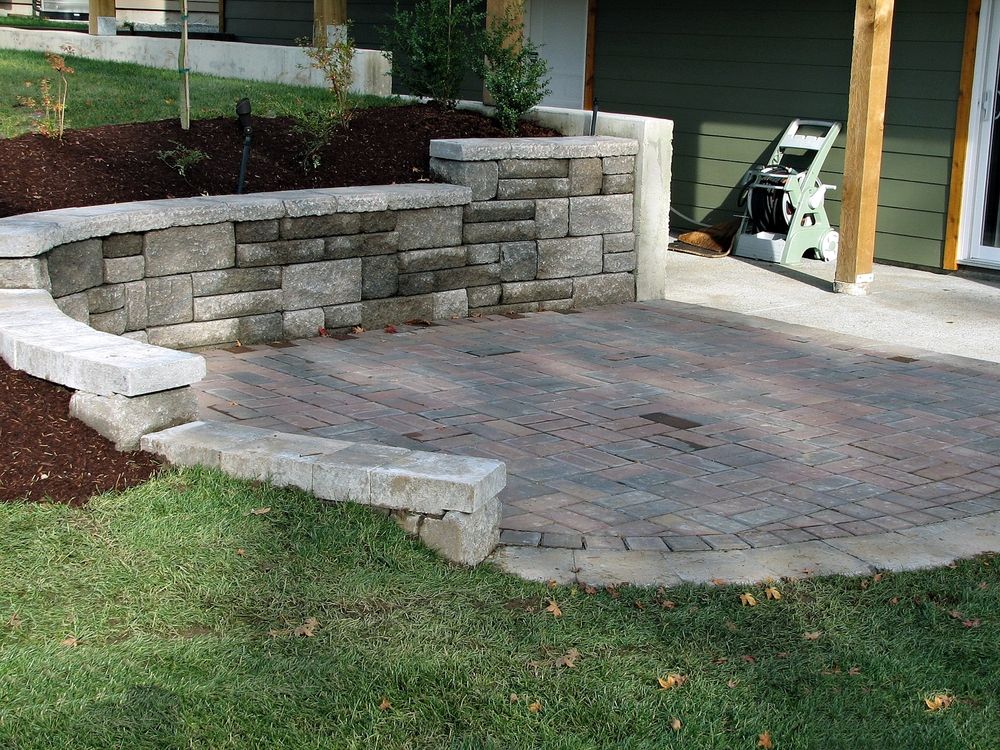
As winter turns to spring, homeowners across the region look forward to warmer weather and spending time outdoors. However, for stone retaining walls, pavers, and stone patios, early spring presents one of the most challenging times of the year: the freeze-thaw cycle.
Rapid fluctuations between freezing night temperatures and thawing daytime sun put intense pressure on hardscape features. Without proper care and maintenance, this cycle can cause frost heave, leading to cracked stones, shifting patio pavers, bowed retaining walls, and costly structural repairs.
Here is a guide from the team at Disciple Masonry on how the freeze-thaw process impacts stone structures & masonry restoration in New Britain, what signs of damage to look for, and the practical steps you can take this spring to protect your investment.
What Is Frost Heave and Why Is It Dangerous?
Frost heave occurs when water trapped in the soil directly beneath or behind stone structures freezes.
- Water Expands: As liquid water freezes into ice, it expands by roughly 9%.
- Pressure Builds: Expanding ice exerts tremendous upward and lateral pressure against stone features.
- The Base Shifts: As the frozen ground thaws during warm spring days, the soil softens unevenly. Stones that were pushed upward or outward settle back down, often unevenly, causing shifting, tilting, and cracking.
Repeated over multiple weeks in early spring, this cycle gradually weakens mortar joints, disrupts proper drainage, and compromises the structural foundation of your hardscape.
4 Signs of Freeze-Thaw Damage to Look For
Before taking preventive measures for masonry services in Bucks County, inspect your hardscape for early warning signs of frost heave and moisture damage:
- Bowing or Bulging Retaining Walls: If a stone retaining wall starts leaning forward or bulging in the middle, trapped water behind the wall is expanding during freezes.
- Uneven or Rocking Patio Pavers: Walk across your patio. If pavers feel loose, tilted, or elevated higher than adjacent stones, ground movement from frost heave is likely the cause.
- Cracked Mortar Joints: Look closely at mortar lines between stones. Flaking, crumbling, or hairline cracks allow water to enter, accelerating freeze-thaw deterioration.
- Efflorescence: A white, powdery residue on the surface of your stone indicates water is migrating through the masonry and leaving salt deposits behind as it evaporates.
How to Protect Your Stone Retaining Walls & Patios
Taking action early in the season stops minor moisture issues from turning into major structural failures.
1. Clear Drainage Paths Immediately
Water is the main enemy during freeze-thaw cycles. Retaining walls rely on clear weep holes, drainage pipes, and gravel backfill to relieve hydrostatic pressure.
- Clear debris, leaves, and dirt away from weep holes at the base of retaining walls.
- Make sure downspouts direct water at least 3 to 5 feet away from patios and retaining wall bases.
- Inspect the top of retaining walls to make sure water isn't pooling behind the stone core.
2. Seal Cracks and Mortar Joints
Hairline cracks allow meltwater to seep inside during warm afternoons. When temperatures drop below freezing at night, that trapped water freezes and widens the crack.
- Re-point damaged mortar joints using high-quality, weather-resistant mortar matching the original composition.
- Apply flexible, exterior-grade masonry sealant along joints where stone meets concrete or other rigid surfaces.
3. Maintain Polymeric Sand on Patios
For dry-stacked or paver patios, polymeric sand fills the joints between stones to prevent water from penetrating to the base material.
- Sweep away leftover winter debris, salt, and dirt.
- Top off joint sand wherever it has washed out or eroded over the winter.
- Pack and lock the sand according to manufacturer guidelines to create a barrier against meltwater.
4. Apply a High-Quality Breathable Masonry Sealer
Sealing your natural stone or concrete pavers creates a hydrophobic barrier, repelling surface water before it absorbs into the porous stone.
- Choose a silane/siloxane-based, breathable sealer. Penetrating sealers allow internal moisture vapor to escape while keeping liquid meltwater out.
- Make sure the stone is thoroughly clean and dry before application.
When to Call a Professional Mason
While basic surface clearing and sealing are great DIY spring projects, structural issues require professional expertise. You should consult a licensed masonry contractor if you notice:
- Retaining walls leaning significantly out of plumb.
- Sunken patio sections larger than a few square feet.
- Deep structural cracks extending through natural stones or structural blocks.
Addressing foundation or drainage failure early prevents total wall collapse and saves significantly on long-term repair costs.
Protect Your Hardscape with Disciple Masonry
Your outdoor stone features are built to last, but they require the right care to withstand harsh seasonal transitions. If you need professional hardscape inspection, mortar repair, drainage updates, or complete stone restoration, the team at Disciple Masonry is here to help.
Contact Disciple Masonry today to schedule your spring hardscape inspection and keep your stone features strong for years to come!